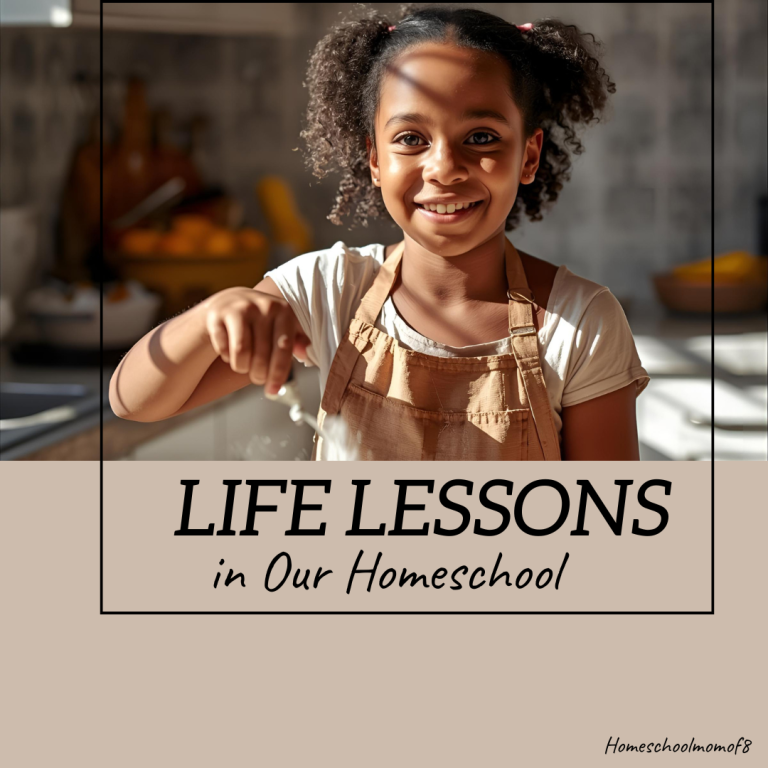
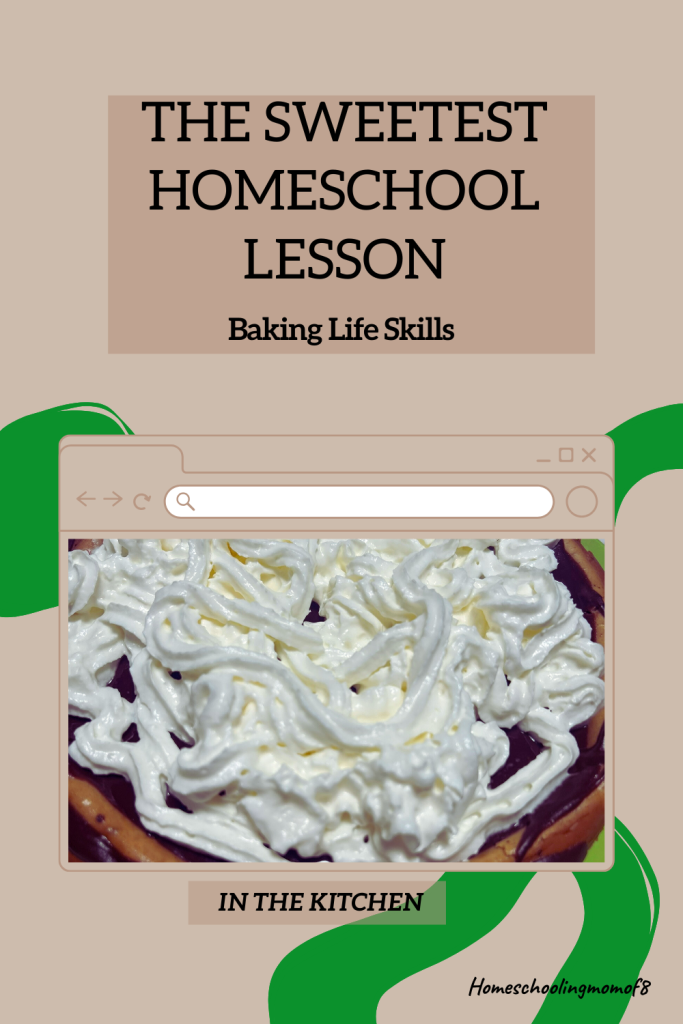
The Sweetest Homeschool Lesson: Baking Life Skills in the Kitchen
September 10, 2025 Adrienne Brown 0 Comments
One of the greatest joys of homeschooling is discovering that the most profound lessons often happen far from a desk or textbook. They unfold on nature walks, during pillow-fort construction, and, as our family recently experienced, in the heart of the home: the kitchen. We turned a simple craving for chocolate cheesecake into a vibrant, hands-on lesson in math, reading, and planning.
If you’re looking for a fresh way to blend learning with family connection, grab an apron. This post will show you how baking can become a powerful and delicious part of your homeschool curriculum. We’ll explore how measuring cups and mixing bowls can teach core subjects, build essential life skills, and create memories that last long after the final slice is gone.
More Than a Recipe: An Invitation to Learn
For children, a recipe is more than a set of instructions; it’s a treasure map. The prize at the end is a delicious treat they made themselves. For homeschooling parents, that same recipe is a lesson plan in disguise, packed with opportunities to reinforce academic skills in a practical, engaging way.
When we decided to make a chocolate cheesecake, I wasn’t just thinking about dessert. I saw a chance to make learning tangible. Instead of abstract worksheets, we had real-world problems to solve. How much cream cheese do we need? What does “fold in” mean? What step comes next? This simple project instantly transformed our kitchen into a dynamic classroom.
Simmering Core Skills: Math, Reading, and Organization
At first glance, baking is about following steps. But look closer, and you’ll see a rich curriculum at work. The beauty of it is that your child is so engaged in the process, they don’t even realize they’re “doing school.”

A Slice of Math Practice
The kitchen is a math playground. Our cheesecake recipe called for fractions, multiplication, and sequencing—all concepts we practice in our formal lessons.
- Fractions and Measuring: Scooping 1/2 cup of sugar or 3/4 cup of chocolate chips makes fractions physical. We discussed which measuring cup was bigger and why. When we needed to double the crust recipe, my daughter had to figure out what 1/4 cup times two was. It was a practical application that a worksheet could never replicate.
- Counting and Sequencing: From counting the eggs to setting the oven timer, numbers were everywhere. Following the recipe’s numbered steps also reinforced the importance of logical order and sequence.
Reading for a Reason
For a child, following a recipe is a low-stakes, high-reward reading comprehension exercise. The motivation is built in: if you read the steps carefully, you get a wonderful result.
- Building Vocabulary: Our baking session introduced new words like “Kahlua” “blend,” and “cool completely.” We talked about what they meant in the context of the recipe, expanding her vocabulary naturally.
- Following Directions: The need to follow the recipe precisely to get the right outcome is a powerful lesson in paying attention to detail. It teaches children that instructions have a purpose and that skipping a step can change everything.
The Art of Organization
One of the most valuable life skills is the ability to plan and organize. Baking is a perfect way to practice this. Before we even touched a mixing bowl, we embarked on a mission.
- Gathering Supplies: We read through the entire recipe first to create a checklist of ingredients and tools. She then went on a “kitchen scavenger hunt” to gather everything. This simple act taught her to prepare before starting a project.
- Time Management: The recipe had different stages: making the crust, preparing the filling, baking, and cooling. We talked about how long each step would take and planned our afternoon accordingly. This was a simple introduction to project management.
The Icing on the Cake: Confidence and Connection
While the academic benefits are clear, the most significant rewards from our baking day were not measurable. As my daughter carefully cracked eggs and confidently read the next step, I saw her self-assurance grow. She took ownership of the project, beaming with pride when she pulled the finished cheesecake from the oven. She did that.
Those moments of shared effort and laughter are the glue that strengthens family bonds. It was a team project where we worked together, solved small problems, and celebrated our success. That is the essence of what makes homeschooling so special—the ability to weave learning and love into the fabric of your daily life.
Bring the Classroom to Your Kitchen
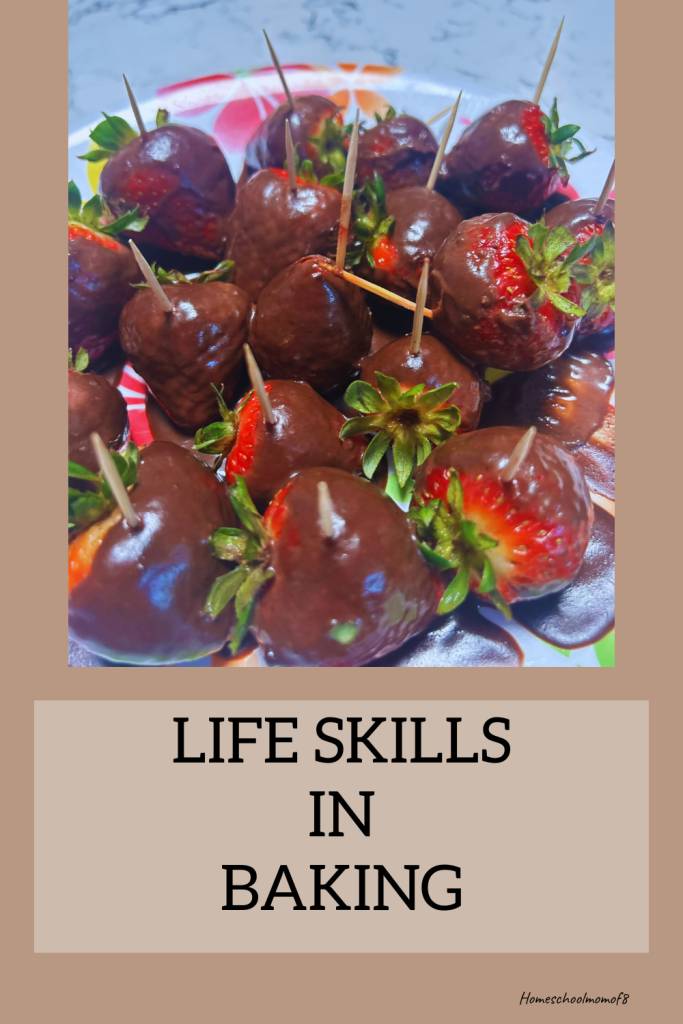
You don’t need a complicated recipe to unlock these benefits. Start with simple cookies, a loaf of bread, or even homemade pizza. The key is to step back and let your child lead. Let them make a bit of a mess. Let them puzzle through the measurements. Your role is to be the guide, offering support and encouragement.
The next time your homeschool day feels a bit stale, remember the lessons waiting in your pantry. Baking teaches our children that learning isn’t confined to a book, but is a living, breathing part of the world around them. And as our family discovered, it often comes with a wonderfully delicious reward.